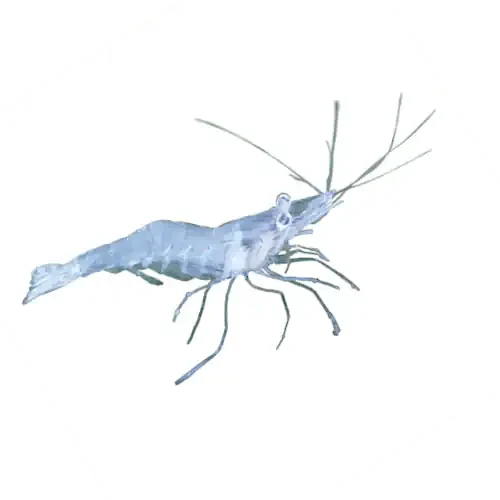
FRESHWATER GLASS SHRIMP - AUSTRALIAN
The Australian Freshwater Glass Shrimp (Paratya australiensis) is a transparent, native shrimp species found throughout eastern Australia. Known for their subtle beauty and algae-eating prowess, these shrimp are ideal for nano tanks, aquascapes, and biotope setups. Their peaceful nature and adaptability make them a favorite among both beginner and seasoned aquarists.
Features
-
Scientific Name: Paratya australiensis
-
Common Names: Australian Glass Shrimp, Native Glass Shrimp
-
Size: Up to 4.5 cm (1.8 inches)
-
Lifespan: Approximately 2 years
-
Temperament: Peaceful and social
-
Diet: Omnivorous; feeds on algae, biofilm, detritus, and leftover food
-
Water Parameters:
-
Temperature: 12–25°C (54–77°F); tolerates 5–30°C (41–86°F)
-
pH Level: 6.0–8.2
-
Hardness: Adaptable to various levels
-
-
Habitat: Found in freshwater streams, creeks, and ponds across eastern Australia
Why Choose Australian Glass Shrimp?
-
Native Species: Supports local biodiversity and is well-adapted to Australian water conditions.
-
Algae Control: Efficient at consuming various types of algae, helping to maintain a clean tank environment.
-
Hardy Nature: Tolerant of a wide range of water conditions, making them suitable for various tank setups.
-
Peaceful Behavior: Generally non-aggressive and compatible with a variety of tank mates.
-
Breeding Potential: Relatively easy to breed in captivity, providing an engaging experience for aquarists.
Tank Requirements
-
Minimum Tank Size: 10 liters (2.6 gallons)
-
Substrate: Fine sand or smooth gravel
-
Aquascape: Incorporate live plants, driftwood, and hiding spots to provide shelter and mimic their natural habitat.
-
Filtration: Gentle filtration, such as a sponge filter, to maintain water quality without creating strong currents.
-
Lighting: Moderate lighting to replicate their natural environment and enhance coloration.
-
Tank Cover: Secure lid is essential, as shrimp are known jumpers.
Compatible Tank Mates
Australian Glass Shrimp are peaceful and can coexist with other non-aggressive species. Suitable tank mates include:
-
Neon Tetras,
-
Ember Tetras
-
Corydoras Catfish
-
Otocinclus
Avoid housing with large, aggressive species that may harass or outcompete them.
Feeding Recommendations
-
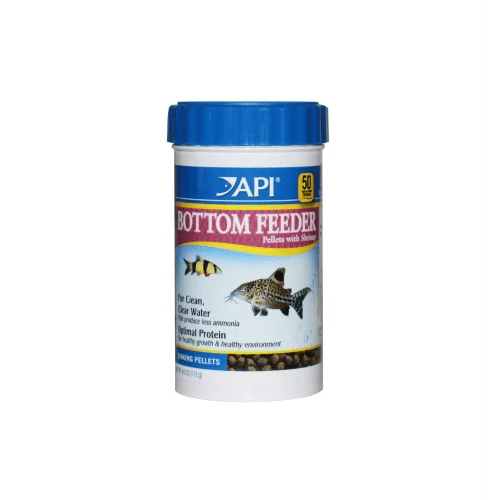
Staple Diet: High-quality flake or pellet food formulated for tropical fish.
-
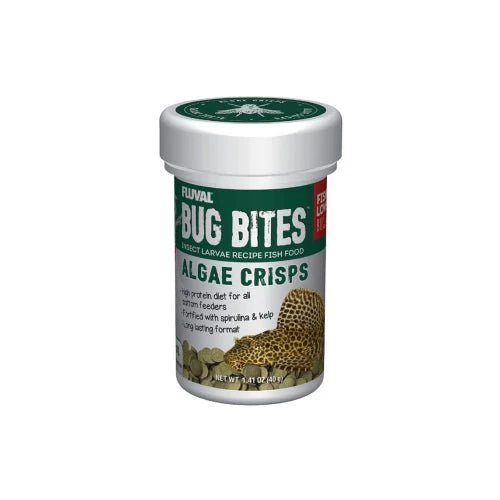
Supplementary Foods: Algae wafers, blanched vegetables (e.g., zucchini, spinach), and biofilm.
-
Feeding Frequency: Feed small amounts 1–2 times daily, ensuring all food is consumed within a few minutes to prevent water quality issues.
Care Tips
-
Regular Maintenance: Perform weekly water changes of 20–30% to maintain optimal water conditions.
-
Monitoring: Keep an eye on water parameters and shrimp behavior to detect any signs of stress or illness early.
-
Breeding Considerations: Provide fine-leaved plants or spawning mops for egg deposition; larvae have a planktonic stage and require stable conditions.
-
Tank Setup: Create territories using decorations to minimize aggression among males.
FAQs
Can Australian Glass Shrimp live in a community tank?
Yes, they can coexist peacefully with other non-aggressive species, provided the tank is spacious and well-decorated to establish territories.
Do they require a heater?
Maintaining a stable temperature between 12–25°C (54–77°F) is essential; a heater may be necessary depending on ambient room temperature.
Are they suitable for beginners?
Yes, their hardy nature and adaptability make them suitable for aquarists with some experience.
How can I enhance their coloration?
A varied diet rich in high-quality foods, maintaining pristine water conditions, and providing a stress-free environment can help accentuate their subtle hues.
Product Information
Product Information
Shipping & Returns
Shipping & Returns
Description
The Australian Freshwater Glass Shrimp (Paratya australiensis) is a transparent, native shrimp species found throughout eastern Australia. Known for their subtle beauty and algae-eating prowess, these shrimp are ideal for nano tanks, aquascapes, and biotope setups. Their peaceful nature and adaptability make them a favorite among both beginner and seasoned aquarists.
Features
-
Scientific Name: Paratya australiensis
-
Common Names: Australian Glass Shrimp, Native Glass Shrimp
-
Size: Up to 4.5 cm (1.8 inches)
-
Lifespan: Approximately 2 years
-
Temperament: Peaceful and social
-
Diet: Omnivorous; feeds on algae, biofilm, detritus, and leftover food
-
Water Parameters:
-
Temperature: 12–25°C (54–77°F); tolerates 5–30°C (41–86°F)
-
pH Level: 6.0–8.2
-
Hardness: Adaptable to various levels
-
-
Habitat: Found in freshwater streams, creeks, and ponds across eastern Australia
Why Choose Australian Glass Shrimp?
-
Native Species: Supports local biodiversity and is well-adapted to Australian water conditions.
-
Algae Control: Efficient at consuming various types of algae, helping to maintain a clean tank environment.
-
Hardy Nature: Tolerant of a wide range of water conditions, making them suitable for various tank setups.
-
Peaceful Behavior: Generally non-aggressive and compatible with a variety of tank mates.
-
Breeding Potential: Relatively easy to breed in captivity, providing an engaging experience for aquarists.
Tank Requirements
-
Minimum Tank Size: 10 liters (2.6 gallons)
-
Substrate: Fine sand or smooth gravel
-
Aquascape: Incorporate live plants, driftwood, and hiding spots to provide shelter and mimic their natural habitat.
-
Filtration: Gentle filtration, such as a sponge filter, to maintain water quality without creating strong currents.
-
Lighting: Moderate lighting to replicate their natural environment and enhance coloration.
-
Tank Cover: Secure lid is essential, as shrimp are known jumpers.
Compatible Tank Mates
Australian Glass Shrimp are peaceful and can coexist with other non-aggressive species. Suitable tank mates include:
-
Neon Tetras,
-
Ember Tetras
-
Corydoras Catfish
-
Otocinclus
Avoid housing with large, aggressive species that may harass or outcompete them.
Feeding Recommendations
-
Staple Diet: High-quality flake or pellet food formulated for tropical fish.
-
Supplementary Foods: Algae wafers, blanched vegetables (e.g., zucchini, spinach), and biofilm.
-
Feeding Frequency: Feed small amounts 1–2 times daily, ensuring all food is consumed within a few minutes to prevent water quality issues.
Care Tips
-
Regular Maintenance: Perform weekly water changes of 20–30% to maintain optimal water conditions.
-
Monitoring: Keep an eye on water parameters and shrimp behavior to detect any signs of stress or illness early.
-
Breeding Considerations: Provide fine-leaved plants or spawning mops for egg deposition; larvae have a planktonic stage and require stable conditions.
-
Tank Setup: Create territories using decorations to minimize aggression among males.
FAQs
Can Australian Glass Shrimp live in a community tank?
Yes, they can coexist peacefully with other non-aggressive species, provided the tank is spacious and well-decorated to establish territories.
Do they require a heater?
Maintaining a stable temperature between 12–25°C (54–77°F) is essential; a heater may be necessary depending on ambient room temperature.
Are they suitable for beginners?
Yes, their hardy nature and adaptability make them suitable for aquarists with some experience.
How can I enhance their coloration?
A varied diet rich in high-quality foods, maintaining pristine water conditions, and providing a stress-free environment can help accentuate their subtle hues.