Cherry Spider Crabs - Freshwater Preorder
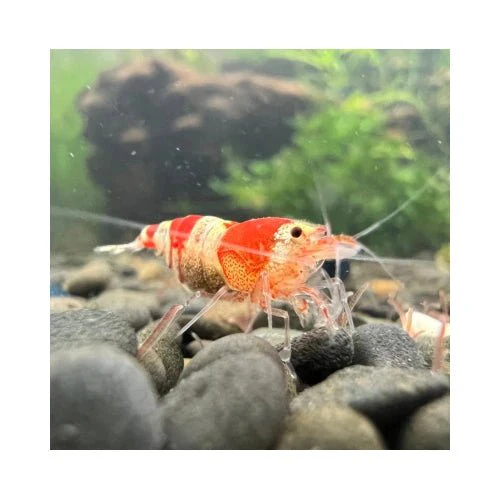
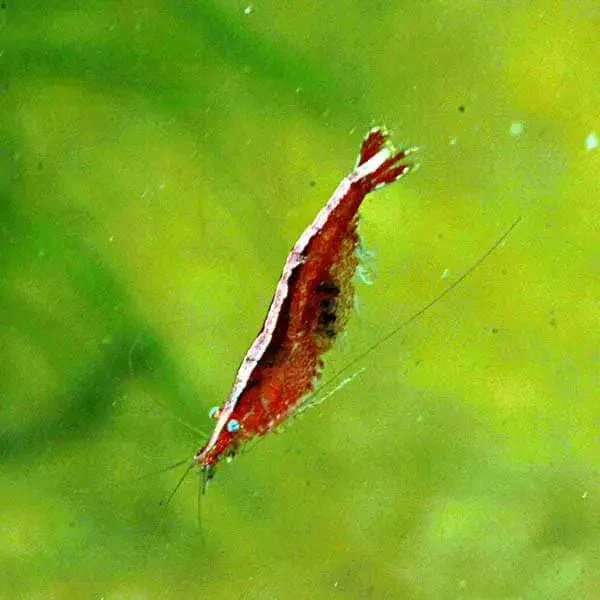
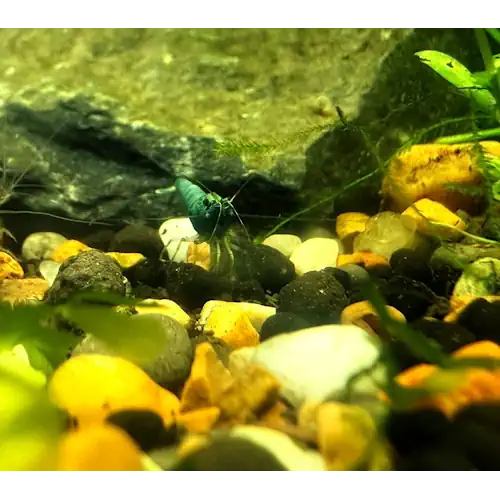
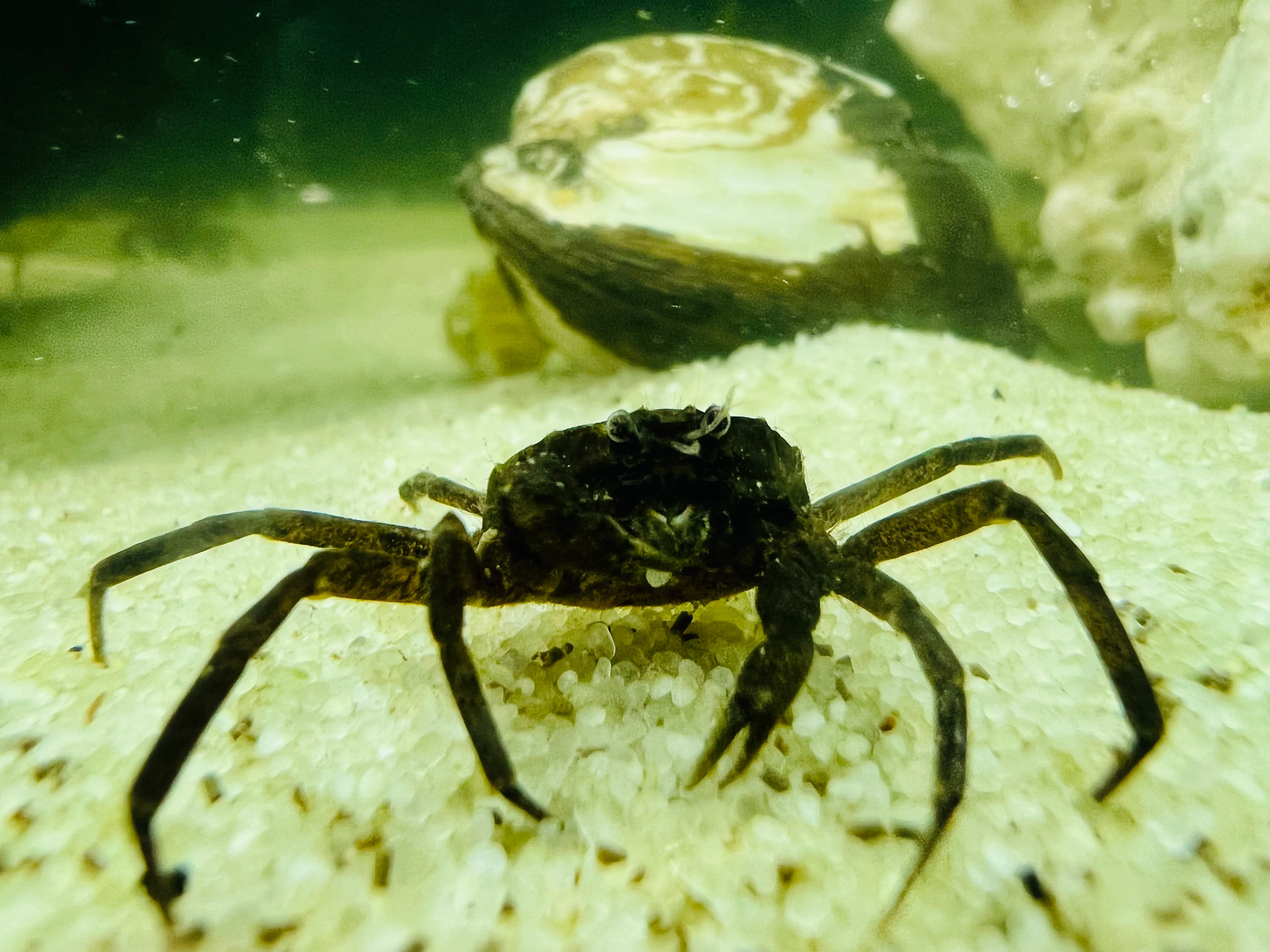
The Cherry Spider Crab (Amarinus laevis) is a captivating freshwater crustacean native to southern Australia. Known for its compact body and long, slender legs, this fully aquatic crab adds both intrigue and functionality to any aquarium. Its peaceful nature and scavenging habits make it an excellent addition to community tanks, especially those housing small, non-aggressive species. PRE ORDER ONLY (Approx Wait time is 3 months after order due to being extremely rare)
Features
-
Scientific Name: Amarinus laevis
-
Common Name: Cherry Spider Crab
-
Size: Carapace up to 2.5 cm; leg span up to 5 cm
-
Lifespan: Approximately 2–3 years
-
Temperament: Peaceful; suitable for community tanks with small, non-aggressive species
-
Diet: Omnivorous scavenger; feeds on detritus, algae, and sinking foods
-
Water Parameters:
-
Temperature: 8–24°C (46–75°F)
-
pH Level: 7.0–8.0
-
Hardness: Moderate; prefers calcium-rich water for healthy molting.
-
Why Choose Cherry Spider Crabs?
-
Fully Aquatic: Unlike many crabs, they do not require access to land, making them ideal for fully submerged aquariums.
-
Peaceful Nature: Their docile temperament allows them to coexist with small fish and shrimp.
-
Efficient Scavengers: They help maintain tank cleanliness by consuming leftover food and detritus.
-
Unique Appearance: Their spider-like legs and compact body add visual interest to any tank.
Tank Requirements
-
Minimum Tank Size: 19 liters (5 gallons) for a small group
-
Aquascape: Provide ample hiding spots using rocks, driftwood, and plants
-
Filtration: Gentle filtration to maintain water quality without creating strong currents
-
Substrate: Fine gravel or sand to replicate their natural environment
-
Lighting: Moderate lighting to encourage natural behaviors.
Compatible Tank Mates
Cherry Spider Crabs are best housed with small, peaceful fish and invertebrates. Suitable tank mates include:
-
Neon Tetras
-
Harlequin Rasboras
-
Cherry Shrimp
-
Otocinclus Catfish.
Avoid housing with large or aggressive species that may prey on the crabs.
Feeding Recommendations
-
Staple Diet: High-quality sinking pellets or wafers
-
Supplementary Foods: Blanched vegetables (e.g., zucchini, spinach), algae wafers, and occasional protein sources like bloodworms
-
Feeding Frequency: Once daily; remove uneaten food to maintain water quality.
Care Tips
-
Water Quality: Maintain stable water parameters; avoid sudden changes
-
Calcium Supplementation: Provide a calcium-rich environment to support healthy molting
-
Tank Cover: Ensure the aquarium is covered, as crabs may attempt to climb out
-
Regular Monitoring: Observe for signs of stress or illness, such as lethargy or discoloration.
FAQs
Do Cherry Spider Crabs need access to land?
No, they are fully aquatic and do not require land areas in the aquarium.
Can they be kept with shrimp?
Yes, they are generally peaceful and can coexist with shrimp species.
Are they suitable for beginners?
Yes, with proper care and stable water conditions, they can be a rewarding addition for novice aquarists.
How can I ensure their shells remain healthy?
Providing a calcium-rich environment, such as adding crushed coral or cuttlebone, supports healthy molting.
Pre Order Only
Product Information
Product Information
Shipping & Returns
Shipping & Returns
Description
The Cherry Spider Crab (Amarinus laevis) is a captivating freshwater crustacean native to southern Australia. Known for its compact body and long, slender legs, this fully aquatic crab adds both intrigue and functionality to any aquarium. Its peaceful nature and scavenging habits make it an excellent addition to community tanks, especially those housing small, non-aggressive species. PRE ORDER ONLY (Approx Wait time is 3 months after order due to being extremely rare)
Features
-
Scientific Name: Amarinus laevis
-
Common Name: Cherry Spider Crab
-
Size: Carapace up to 2.5 cm; leg span up to 5 cm
-
Lifespan: Approximately 2–3 years
-
Temperament: Peaceful; suitable for community tanks with small, non-aggressive species
-
Diet: Omnivorous scavenger; feeds on detritus, algae, and sinking foods
-
Water Parameters:
-
Temperature: 8–24°C (46–75°F)
-
pH Level: 7.0–8.0
-
Hardness: Moderate; prefers calcium-rich water for healthy molting.
-
Why Choose Cherry Spider Crabs?
-
Fully Aquatic: Unlike many crabs, they do not require access to land, making them ideal for fully submerged aquariums.
-
Peaceful Nature: Their docile temperament allows them to coexist with small fish and shrimp.
-
Efficient Scavengers: They help maintain tank cleanliness by consuming leftover food and detritus.
-
Unique Appearance: Their spider-like legs and compact body add visual interest to any tank.
Tank Requirements
-
Minimum Tank Size: 19 liters (5 gallons) for a small group
-
Aquascape: Provide ample hiding spots using rocks, driftwood, and plants
-
Filtration: Gentle filtration to maintain water quality without creating strong currents
-
Substrate: Fine gravel or sand to replicate their natural environment
-
Lighting: Moderate lighting to encourage natural behaviors.
Compatible Tank Mates
Cherry Spider Crabs are best housed with small, peaceful fish and invertebrates. Suitable tank mates include:
-
Neon Tetras
-
Harlequin Rasboras
-
Cherry Shrimp
-
Otocinclus Catfish.
Avoid housing with large or aggressive species that may prey on the crabs.
Feeding Recommendations
-
Staple Diet: High-quality sinking pellets or wafers
-
Supplementary Foods: Blanched vegetables (e.g., zucchini, spinach), algae wafers, and occasional protein sources like bloodworms
-
Feeding Frequency: Once daily; remove uneaten food to maintain water quality.
Care Tips
-
Water Quality: Maintain stable water parameters; avoid sudden changes
-
Calcium Supplementation: Provide a calcium-rich environment to support healthy molting
-
Tank Cover: Ensure the aquarium is covered, as crabs may attempt to climb out
-
Regular Monitoring: Observe for signs of stress or illness, such as lethargy or discoloration.
FAQs
Do Cherry Spider Crabs need access to land?
No, they are fully aquatic and do not require land areas in the aquarium.
Can they be kept with shrimp?
Yes, they are generally peaceful and can coexist with shrimp species.
Are they suitable for beginners?
Yes, with proper care and stable water conditions, they can be a rewarding addition for novice aquarists.
How can I ensure their shells remain healthy?
Providing a calcium-rich environment, such as adding crushed coral or cuttlebone, supports healthy molting.
Pre Order Only