Golden Gourami
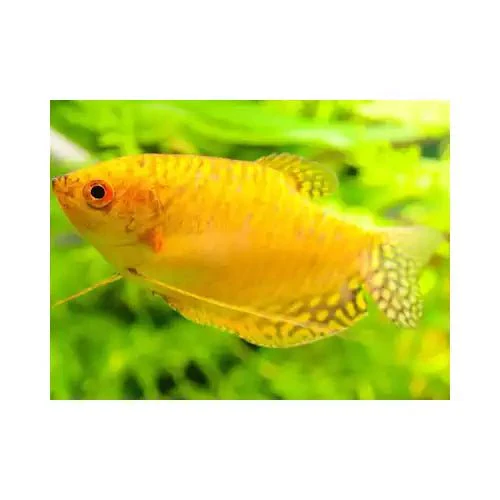
The Golden Gourami is a captivating color variant of the Three-Spot Gourami, selectively bred for its vibrant golden-yellow hue. This freshwater species is known for its shimmering body, adorned with subtle patterns and elongated, feeler-like pelvic fins that aid in navigation. Native to Southeast Asia, the Golden Gourami is a labyrinth fish, allowing it to breathe atmospheric air, making it adaptable to various water conditions.
Features
-
Scientific Name: Trichopodus trichopterus
-
Common Name: Golden Gourami
-
Size: Up to 15 cm (6 inches)
-
Lifespan: 5–6 years
-
Temperament: Semi-aggressive; males can be territorial
-
Diet: Omnivorous; accepts flake foods, pellets, and live or frozen foods like bloodworms and brine shrimp
-
Water Parameters:
-
Temperature: 23–30°C (73–86°F)
-
pH Level: 6.0–8.0
-
Hardness: 5–20 DGH.
-
Why Choose the Golden Gourami?
-
Striking Appearance: Its luminous golden coloration adds a vibrant touch to any aquarium.
-
Adaptable: Thanks to its labyrinth organ, it can thrive in varied water conditions.
-
Interactive Behavior: Known for its curious nature, it often interacts with its environment and tank mates.
-
Hardy Species: Suitable for both novice and experienced aquarists due to its resilience.
Tank Requirements
-
Minimum Tank Size: 115 liters (30 gallons)
-
Aquascape: Incorporate plants, driftwood, and hiding spots to mimic natural habitat.
-
Lighting: Moderate lighting to highlight their golden hues.
-
Filtration: Efficient filtration to maintain water quality; ensure gentle water flow.
-
Substrate: Fine gravel or sand to replicate their native environment.
Compatible Tank Mates
Golden Gouramis can coexist with
-
Corydoras Catfish
-
Rummy-nose
-
Rasboras
-
Loaches
-
Plecos.
Avoid housing with other labyrinth fish or species with long, flowing fins to prevent aggression.
Feeding Recommendations
-
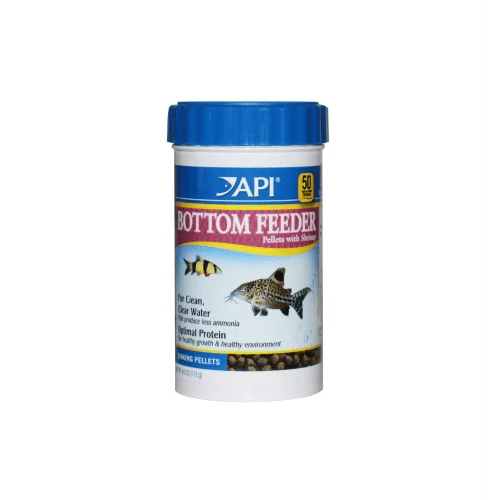
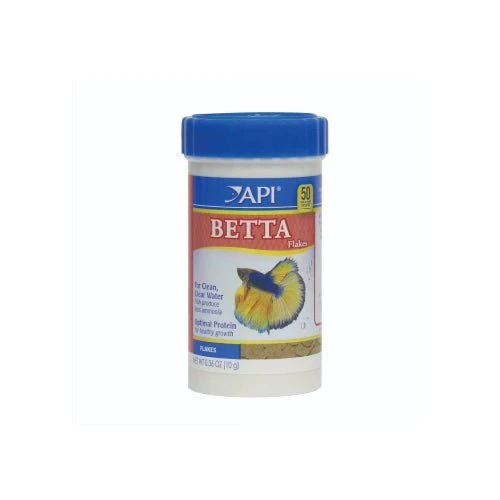
Staple Diet: High-quality flake foods or pellets.
-
Supplementary Foods: Offer live or frozen foods like bloodworms, brine shrimp, or daphnia 2–3 times a week to enhance coloration and vitality.
-
Feeding Frequency: Feed small amounts 1–2 times daily, ensuring all food is consumed within a few minutes to prevent water quality issues.
Care Tips
-
Regular Maintenance: Perform weekly water changes of 25–30% to maintain optimal water quality.
-
Monitor Behavior: Watch for signs of aggression, especially among males, and provide ample hiding spots.
-
Surface Access: Ensure unobstructed access to the water surface for breathing.
-
Breeding: Males build bubble nests; if breeding, provide floating plants and remove the female post-spawning to prevent aggression.
FAQs
Can Golden Gouramis be kept in community tanks?
Yes, with compatible, non-aggressive species and adequate space.
Do they require a heater?
Yes, maintaining a stable temperature between 23–30°C (73–86°F) is essential.
Are they suitable for beginners?
Absolutely! Their hardiness and adaptability make them ideal for novice aquarists.
How can I differentiate males from females?
Males typically have longer, pointed dorsal fins and are more vibrant in color.
Product Information
Product Information
Shipping & Returns
Shipping & Returns
Description
The Golden Gourami is a captivating color variant of the Three-Spot Gourami, selectively bred for its vibrant golden-yellow hue. This freshwater species is known for its shimmering body, adorned with subtle patterns and elongated, feeler-like pelvic fins that aid in navigation. Native to Southeast Asia, the Golden Gourami is a labyrinth fish, allowing it to breathe atmospheric air, making it adaptable to various water conditions.
Features
-
Scientific Name: Trichopodus trichopterus
-
Common Name: Golden Gourami
-
Size: Up to 15 cm (6 inches)
-
Lifespan: 5–6 years
-
Temperament: Semi-aggressive; males can be territorial
-
Diet: Omnivorous; accepts flake foods, pellets, and live or frozen foods like bloodworms and brine shrimp
-
Water Parameters:
-
Temperature: 23–30°C (73–86°F)
-
pH Level: 6.0–8.0
-
Hardness: 5–20 DGH.
-
Why Choose the Golden Gourami?
-
Striking Appearance: Its luminous golden coloration adds a vibrant touch to any aquarium.
-
Adaptable: Thanks to its labyrinth organ, it can thrive in varied water conditions.
-
Interactive Behavior: Known for its curious nature, it often interacts with its environment and tank mates.
-
Hardy Species: Suitable for both novice and experienced aquarists due to its resilience.
Tank Requirements
-
Minimum Tank Size: 115 liters (30 gallons)
-
Aquascape: Incorporate plants, driftwood, and hiding spots to mimic natural habitat.
-
Lighting: Moderate lighting to highlight their golden hues.
-
Filtration: Efficient filtration to maintain water quality; ensure gentle water flow.
-
Substrate: Fine gravel or sand to replicate their native environment.
Compatible Tank Mates
Golden Gouramis can coexist with
-
Corydoras Catfish
-
Rummy-nose
-
Rasboras
-
Loaches
-
Plecos.
Avoid housing with other labyrinth fish or species with long, flowing fins to prevent aggression.
Feeding Recommendations
-
Staple Diet: High-quality flake foods or pellets.
-
Supplementary Foods: Offer live or frozen foods like bloodworms, brine shrimp, or daphnia 2–3 times a week to enhance coloration and vitality.
-
Feeding Frequency: Feed small amounts 1–2 times daily, ensuring all food is consumed within a few minutes to prevent water quality issues.
Care Tips
-
Regular Maintenance: Perform weekly water changes of 25–30% to maintain optimal water quality.
-
Monitor Behavior: Watch for signs of aggression, especially among males, and provide ample hiding spots.
-
Surface Access: Ensure unobstructed access to the water surface for breathing.
-
Breeding: Males build bubble nests; if breeding, provide floating plants and remove the female post-spawning to prevent aggression.
FAQs
Can Golden Gouramis be kept in community tanks?
Yes, with compatible, non-aggressive species and adequate space.
Do they require a heater?
Yes, maintaining a stable temperature between 23–30°C (73–86°F) is essential.
Are they suitable for beginners?
Absolutely! Their hardiness and adaptability make them ideal for novice aquarists.
How can I differentiate males from females?
Males typically have longer, pointed dorsal fins and are more vibrant in color.