Premium Assorted Male Betta Fish
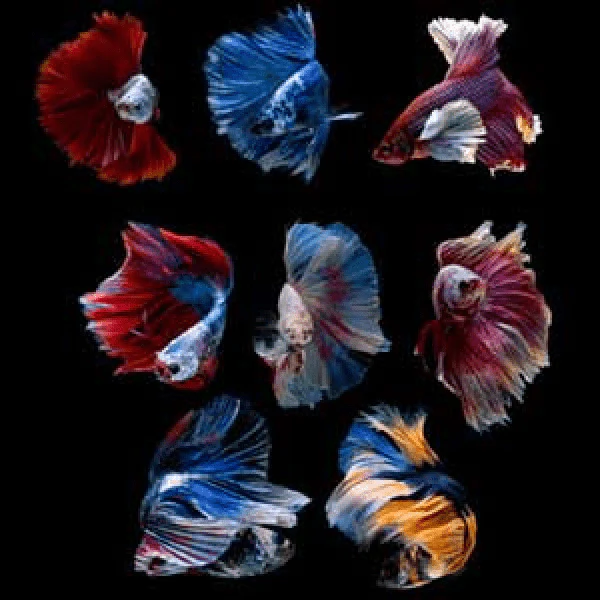
Elevate your aquarium's aesthetic with the Premium Assorted Male Betta Fish (Betta splendens), renowned for their vibrant colors and flowing fins. Each male betta boasts a unique combination of hues and tail types, including Halfmoon, Crowntail, and Veil Tail, making them a centerpiece in any aquatic setup. Their labyrinth organ allows them to breathe atmospheric air, offering adaptability to various water conditions.
Features
-
Scientific Name: Betta splendens
-
Common Name: Siamese Fighting Fish
-
Size: Up to 6.5 cm (2.5 inches)
-
Lifespan: 3–5 years with proper care
-
Temperament: Territorial; best housed alone
-
Diet: Carnivorous; thrives on high-protein diets
-
Water Parameters:
-
Temperature: 24–27°C (75–80°F)
-
pH Level: 6.0–8.0
-
Hardness: 5–20 DGH.
-
Why Choose Premium Assorted Male Betta Fish?
-
Unique Appearance: Each fish displays a distinct blend of colors and fin types, ensuring no two are alike.
-
Adaptable: Labyrinth organ enables breathing atmospheric air, allowing survival in varied water conditions.
-
Low Maintenance: Suitable for both novice and experienced aquarists due to their hardy nature.
-
Interactive Behavior: Known for their curious and engaging personalities.
Tank Requirements
-
Minimum Tank Size: 19 liters (5 gallons)
-
Aquascape: Incorporate live or silk plants and hiding spots to mimic natural habitat.
-
Lighting: Moderate lighting to enhance their vibrant colors.
-
Filtration: Gentle filtration to maintain water quality without creating strong currents.
-
Substrate: Fine gravel or sand to replicate their native environment.
Compatible Tank Mates
Due to their territorial nature, male bettas are best housed alone. However, in larger, well-planted tanks, they may coexist with.
-
Corydoras Catfish
-
Kuhli Loaches
-
Neon Tetras
-
Harlequin Rasboras
Avoid housing with other male bettas or fin-nipping species.
Feeding Recommendations
-
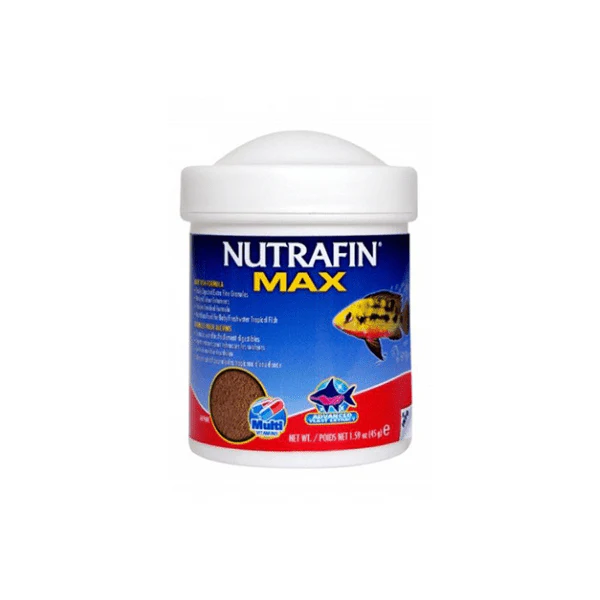
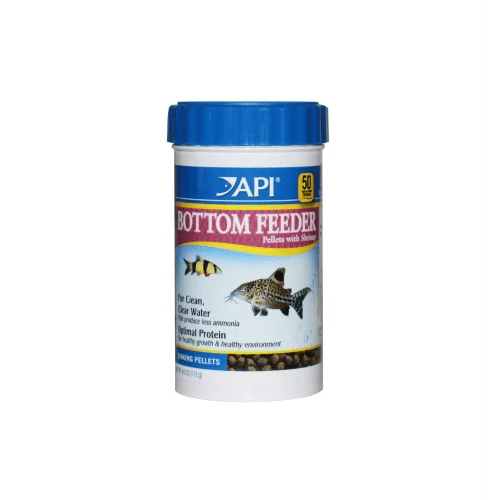
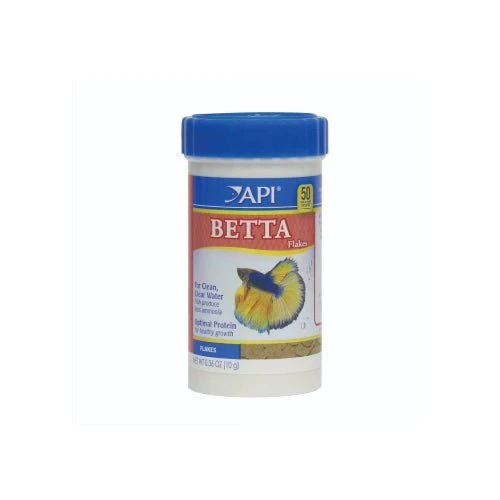
Staple Diet: High-quality betta pellets or flakes.
-
Supplementary Foods: Offer live or frozen foods like brine shrimp, daphnia, or bloodworms 2–3 times a week to enhance coloration and vitality.
-
Feeding Frequency: Feed small amounts 1–2 times daily, ensuring all food is consumed within a few minutes to prevent water quality issues.
Care Tips
-
Regular Maintenance: Perform weekly water changes of 25–30% to maintain optimal water quality.
-
Monitor Behavior: Watch for signs of stress or illness, such as faded colors or erratic swimming, and address promptly.
-
Surface Access: Ensure unobstructed access to the water surface for breathing.
-
Decorations: Use smooth-edged decorations to prevent fin damage.
FAQs
Can male bettas be kept together?
No, male bettas are highly territorial and will fight if housed together.
Do they require a heater in the aquarium?
Yes, maintaining a stable temperature between 24–27°C (75–80°F) is essential for their health.
Are they suitable for beginners?
Absolutely! Their hardy nature and adaptability make them ideal for novice aquarists.
How can I enhance their coloration?
A varied diet, maintaining high water quality, and using dark substrates can help accentuate their vibrant colors.
Product Information
Product Information
Shipping & Returns
Shipping & Returns
Description
Elevate your aquarium's aesthetic with the Premium Assorted Male Betta Fish (Betta splendens), renowned for their vibrant colors and flowing fins. Each male betta boasts a unique combination of hues and tail types, including Halfmoon, Crowntail, and Veil Tail, making them a centerpiece in any aquatic setup. Their labyrinth organ allows them to breathe atmospheric air, offering adaptability to various water conditions.
Features
-
Scientific Name: Betta splendens
-
Common Name: Siamese Fighting Fish
-
Size: Up to 6.5 cm (2.5 inches)
-
Lifespan: 3–5 years with proper care
-
Temperament: Territorial; best housed alone
-
Diet: Carnivorous; thrives on high-protein diets
-
Water Parameters:
-
Temperature: 24–27°C (75–80°F)
-
pH Level: 6.0–8.0
-
Hardness: 5–20 DGH.
-
Why Choose Premium Assorted Male Betta Fish?
-
Unique Appearance: Each fish displays a distinct blend of colors and fin types, ensuring no two are alike.
-
Adaptable: Labyrinth organ enables breathing atmospheric air, allowing survival in varied water conditions.
-
Low Maintenance: Suitable for both novice and experienced aquarists due to their hardy nature.
-
Interactive Behavior: Known for their curious and engaging personalities.
Tank Requirements
-
Minimum Tank Size: 19 liters (5 gallons)
-
Aquascape: Incorporate live or silk plants and hiding spots to mimic natural habitat.
-
Lighting: Moderate lighting to enhance their vibrant colors.
-
Filtration: Gentle filtration to maintain water quality without creating strong currents.
-
Substrate: Fine gravel or sand to replicate their native environment.
Compatible Tank Mates
Due to their territorial nature, male bettas are best housed alone. However, in larger, well-planted tanks, they may coexist with.
-
Corydoras Catfish
-
Kuhli Loaches
-
Neon Tetras
-
Harlequin Rasboras
Avoid housing with other male bettas or fin-nipping species.
Feeding Recommendations
-
Staple Diet: High-quality betta pellets or flakes.
-
Supplementary Foods: Offer live or frozen foods like brine shrimp, daphnia, or bloodworms 2–3 times a week to enhance coloration and vitality.
-
Feeding Frequency: Feed small amounts 1–2 times daily, ensuring all food is consumed within a few minutes to prevent water quality issues.
Care Tips
-
Regular Maintenance: Perform weekly water changes of 25–30% to maintain optimal water quality.
-
Monitor Behavior: Watch for signs of stress or illness, such as faded colors or erratic swimming, and address promptly.
-
Surface Access: Ensure unobstructed access to the water surface for breathing.
-
Decorations: Use smooth-edged decorations to prevent fin damage.
FAQs
Can male bettas be kept together?
No, male bettas are highly territorial and will fight if housed together.
Do they require a heater in the aquarium?
Yes, maintaining a stable temperature between 24–27°C (75–80°F) is essential for their health.
Are they suitable for beginners?
Absolutely! Their hardy nature and adaptability make them ideal for novice aquarists.
How can I enhance their coloration?
A varied diet, maintaining high water quality, and using dark substrates can help accentuate their vibrant colors.