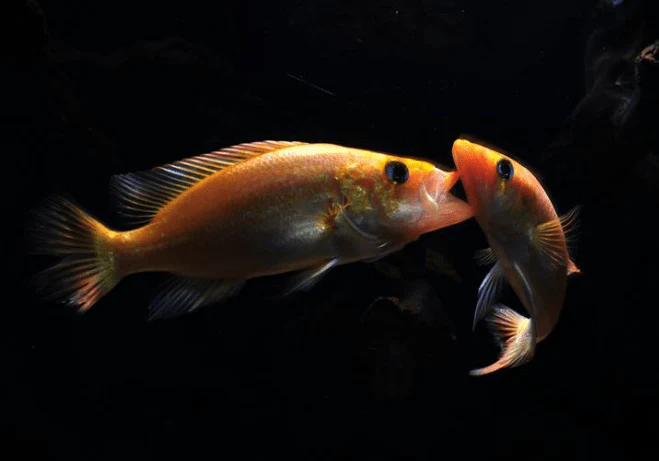
Petina Splendida (Bay Snook) - Red (Local) M-5
The Red Bay Snook (Petenia splendida) is a captivating Central American cichlid, renowned for its vibrant red hues and distinctive body shape. At approximately 5 cm (2 inches) in size, this juvenile specimen promises to mature into a stunning centerpiece, reaching lengths of up to 50 cm (20 inches). Native to the slow-moving rivers and lakes of Mexico, Guatemala, and Belize, the Red Bay Snook is both a visual delight and a fascinating species for dedicated aquarists.
Features
-
Species: Petenia splendida
-
Common Name: Red Bay Snook
-
Current Size: 5 cm (2 inches)
-
Adult Size: Up to 50 cm (20 inches)
-
Lifespan: 5–10 years with proper care
-
Temperament: Moderately peaceful; can be territorial during breeding
-
Diet: Carnivorous; thrives on high-quality pellets, live or frozen foods like earthworms, shrimp, and krill
-
Water Parameters:
-
Temperature: 24°C to 30°C (75°F to 86°F)
-
pH Level: 7.0 to 7.5
-
Hardness: 10 to 20 DGH.
-
Why Choose the Red Bay Snook?
-
Striking Appearance: Its brilliant red coloration and unique body shape make it a standout addition to any large aquarium.
-
Interactive Behavior: Known for their intelligence, Red Bay Snooks often interact with their owners, recognizing feeding times and displaying unique behaviors.
-
Adaptability: Hardy and adaptable to a range of water conditions, making them suitable for experienced aquarists.
-
Longevity: With proper care, they offer years of companionship and entertainment.
Tank Requirements
-
Minimum Tank Size: 180 gallons (680 liters) for a single adult; larger tanks required for multiple specimens
-
Substrate: Soft sand or fine gravel to accommodate their digging behavior
-
Decor: Sturdy decorations like driftwood and rocks; avoid sharp edges and ensure items are securely placed
-
Filtration: High-capacity filtration system to handle the substantial bioload; regular water changes (25-30% weekly) are essential
Compatible Tank Mates
While Red Bay Snooks can be territorial, they may coexist with similarly sized and temperament-matched species:
-
Silver Dollars: Peaceful and fast-moving, making them suitable companions
-
Large Plecos: Bottom dwellers that generally avoid conflict
-
Jack Dempseys: Comparable in size and temperament
-
Bichirs: Bottom-dwelling and armored, reducing the risk of aggression
Note: Always monitor interactions, especially during initial introductions.
Feeding Recommendations
-
Staple Diet: High-quality cichlid pellets formulated for large carnivorous fish
-
Supplements: Live or frozen foods such as earthworms, crickets, shrimp, and occasional vegetables like blanched spinach
-
Feeding Frequency: Once or twice daily; avoid overfeeding to maintain water quality
Care Tips
-
Regular Maintenance: Perform weekly water changes of 25-30% to maintain optimal water quality
-
Monitor Behavior: Watch for signs of aggression or stress, especially when introducing new tank mates
-
Provide Enrichment: Introduce floating toys or varied decor to stimulate their intelligent nature
-
Health Checks: Regularly inspect for signs of common cichlid ailments, such as hole-in-the-head disease
FAQs
Can Red Bay Snooks be kept in a community tank?
Due to their size and territorial nature, they are best kept with similarly sized and temperament-matched species.
Do they require a heater?
Yes, maintaining a stable temperature between 24°C to 30°C (75°F to 86°F) is essential for their health.
How often should I feed my Red Bay Snook?
Feed once or twice daily, offering only as much as they can consume in a few minutes to prevent overfeeding.
Are they suitable for beginners?
Due to their size, dietary needs, and tank requirements, they are more suitable for intermediate to experienced aquarists.
Original: $28.84
-65%$28.84
$10.09Product Information
Product Information
Shipping & Returns
Shipping & Returns
Description
The Red Bay Snook (Petenia splendida) is a captivating Central American cichlid, renowned for its vibrant red hues and distinctive body shape. At approximately 5 cm (2 inches) in size, this juvenile specimen promises to mature into a stunning centerpiece, reaching lengths of up to 50 cm (20 inches). Native to the slow-moving rivers and lakes of Mexico, Guatemala, and Belize, the Red Bay Snook is both a visual delight and a fascinating species for dedicated aquarists.
Features
-
Species: Petenia splendida
-
Common Name: Red Bay Snook
-
Current Size: 5 cm (2 inches)
-
Adult Size: Up to 50 cm (20 inches)
-
Lifespan: 5–10 years with proper care
-
Temperament: Moderately peaceful; can be territorial during breeding
-
Diet: Carnivorous; thrives on high-quality pellets, live or frozen foods like earthworms, shrimp, and krill
-
Water Parameters:
-
Temperature: 24°C to 30°C (75°F to 86°F)
-
pH Level: 7.0 to 7.5
-
Hardness: 10 to 20 DGH.
-
Why Choose the Red Bay Snook?
-
Striking Appearance: Its brilliant red coloration and unique body shape make it a standout addition to any large aquarium.
-
Interactive Behavior: Known for their intelligence, Red Bay Snooks often interact with their owners, recognizing feeding times and displaying unique behaviors.
-
Adaptability: Hardy and adaptable to a range of water conditions, making them suitable for experienced aquarists.
-
Longevity: With proper care, they offer years of companionship and entertainment.
Tank Requirements
-
Minimum Tank Size: 180 gallons (680 liters) for a single adult; larger tanks required for multiple specimens
-
Substrate: Soft sand or fine gravel to accommodate their digging behavior
-
Decor: Sturdy decorations like driftwood and rocks; avoid sharp edges and ensure items are securely placed
-
Filtration: High-capacity filtration system to handle the substantial bioload; regular water changes (25-30% weekly) are essential
Compatible Tank Mates
While Red Bay Snooks can be territorial, they may coexist with similarly sized and temperament-matched species:
-
Silver Dollars: Peaceful and fast-moving, making them suitable companions
-
Large Plecos: Bottom dwellers that generally avoid conflict
-
Jack Dempseys: Comparable in size and temperament
-
Bichirs: Bottom-dwelling and armored, reducing the risk of aggression
Note: Always monitor interactions, especially during initial introductions.
Feeding Recommendations
-
Staple Diet: High-quality cichlid pellets formulated for large carnivorous fish
-
Supplements: Live or frozen foods such as earthworms, crickets, shrimp, and occasional vegetables like blanched spinach
-
Feeding Frequency: Once or twice daily; avoid overfeeding to maintain water quality
Care Tips
-
Regular Maintenance: Perform weekly water changes of 25-30% to maintain optimal water quality
-
Monitor Behavior: Watch for signs of aggression or stress, especially when introducing new tank mates
-
Provide Enrichment: Introduce floating toys or varied decor to stimulate their intelligent nature
-
Health Checks: Regularly inspect for signs of common cichlid ailments, such as hole-in-the-head disease
FAQs
Can Red Bay Snooks be kept in a community tank?
Due to their size and territorial nature, they are best kept with similarly sized and temperament-matched species.
Do they require a heater?
Yes, maintaining a stable temperature between 24°C to 30°C (75°F to 86°F) is essential for their health.
How often should I feed my Red Bay Snook?
Feed once or twice daily, offering only as much as they can consume in a few minutes to prevent overfeeding.
Are they suitable for beginners?
Due to their size, dietary needs, and tank requirements, they are more suitable for intermediate to experienced aquarists.