Tandanus Catfish- EEL Tail Catfish - Australian Native Fish
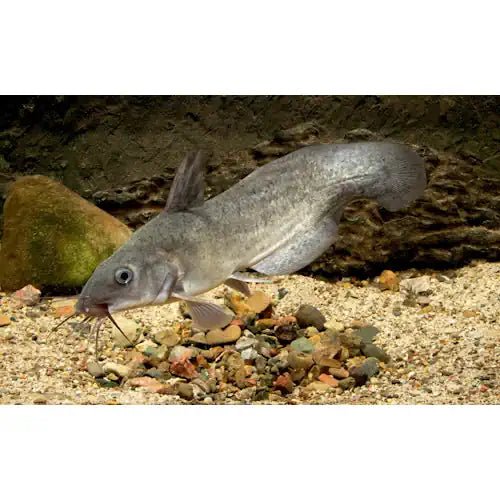
The Tandanus Catfish (Tandanus tandanus), also known as the Eel-Tailed Catfish or Dewfish, is a robust freshwater species native to Australia's river systems. Recognizable by its elongated, eel-like tail and smooth, scaleless body, this catfish is both a fascinating and functional addition to large aquariums or ponds. Its peaceful demeanor and bottom-dwelling habits make it a unique choice for aquarists seeking an indigenous species with character.
Features
-
Scientific Name: Tandanus tandanus
-
Common Names: Eel-Tailed Catfish, Dewfish, Freshwater Catfish
-
Size: Typically 30–50 cm in aquariums; up to 90 cm in the wild
-
Lifespan: 10–20 years with proper care
-
Temperament: Peaceful; may consume smaller tank mates
-
Diet: Omnivorous; feeds on insect larvae, crustaceans, mollusks, and small fish
-
Water Parameters:
-
Temperature: 18–25°C
-
pH Level: 6.5–8.0
-
Hardness: 5–15 dGH
-
-
Minimum Tank Size: 500 liters
Why Choose the Tandanus Catfish?
-
Native Species: Supports local biodiversity and is well-adapted to Australian water conditions.
-
Unique Appearance: Its eel-like tail and smooth body make it a standout addition to any large aquarium or pond.
-
Hardy Nature: Tolerant of a wide range of water conditions, making it suitable for various tank setups.
-
Peaceful Behavior: Generally non-aggressive and compatible with a variety of tank mates.
Tank Requirements
-
Substrate: Fine sand or smooth gravel to accommodate bottom-dwelling habits.
-
Aquascape: Incorporate driftwood, rocks, and sturdy plants like Java Fern or Anubias to provide hiding spots and mimic their natural habitat.
-
Filtration: Strong filtration is required to maintain pristine water conditions, as this species produces a significant bioload.
-
Lighting: Moderate lighting to replicate their natural environment and enhance coloration.
-
Tank Cover: Secure lid is essential, as catfish are known jumpers.
Compatible Tank Mates
The Tandanus Catfish is generally peaceful but may prey on smaller fish due to its size. Suitable tank mates include
-
Larger Australian Rainbowfish
-
Silver Perch
-
Murray Cod
-
Other robust, similarly sized species
Avoid housing with small fish or invertebrates, which may be mistaken for food.
Feeding Recommendations
-
Staple Diet: High-quality sinking pellets and wafers.
-
Supplementary Foods: Live or frozen foods such as prawns, earthworms, or bloodworms; fresh vegetables like zucchini or peas (lightly blanched).
-
Feeding Frequency: Feed once or twice daily, ensuring the food reaches the tank bottom where the Tandanus Catfish naturally forages.
Care Tips
-
Regular Maintenance: Perform weekly water changes of 20–30% to maintain optimal water conditions.
-
Monitoring: Keep an eye on water parameters and fish behavior to detect any signs of stress or illness early.
-
Handling: Exercise caution when handling these fish, as their dorsal and pectoral fin spines are venomous and can cause painful injuries.
-
Breeding Considerations: Breeding in captivity is rare but possible under ideal conditions. Males construct nests and guard the eggs until they hatch.
FAQs
Can Tandanus Catfish live in a community tank?
Yes, they can coexist peacefully with other non-aggressive, similarly sized species, provided the tank is spacious and well-decorated to establish territories.
Do they require a heater?
Maintaining a stable temperature between 18–25°C is essential; a heater may be necessary depending on ambient room temperature.
Are they suitable for beginners?
Due to their size and specific care requirements, they are best suited for aquarists with some experience.
How can I enhance their coloration?
A varied diet rich in high-quality foods, maintaining pristine water conditions, and providing a stress-free environment can help accentuate their natural hues.
Product Information
Product Information
Shipping & Returns
Shipping & Returns
Description
The Tandanus Catfish (Tandanus tandanus), also known as the Eel-Tailed Catfish or Dewfish, is a robust freshwater species native to Australia's river systems. Recognizable by its elongated, eel-like tail and smooth, scaleless body, this catfish is both a fascinating and functional addition to large aquariums or ponds. Its peaceful demeanor and bottom-dwelling habits make it a unique choice for aquarists seeking an indigenous species with character.
Features
-
Scientific Name: Tandanus tandanus
-
Common Names: Eel-Tailed Catfish, Dewfish, Freshwater Catfish
-
Size: Typically 30–50 cm in aquariums; up to 90 cm in the wild
-
Lifespan: 10–20 years with proper care
-
Temperament: Peaceful; may consume smaller tank mates
-
Diet: Omnivorous; feeds on insect larvae, crustaceans, mollusks, and small fish
-
Water Parameters:
-
Temperature: 18–25°C
-
pH Level: 6.5–8.0
-
Hardness: 5–15 dGH
-
-
Minimum Tank Size: 500 liters
Why Choose the Tandanus Catfish?
-
Native Species: Supports local biodiversity and is well-adapted to Australian water conditions.
-
Unique Appearance: Its eel-like tail and smooth body make it a standout addition to any large aquarium or pond.
-
Hardy Nature: Tolerant of a wide range of water conditions, making it suitable for various tank setups.
-
Peaceful Behavior: Generally non-aggressive and compatible with a variety of tank mates.
Tank Requirements
-
Substrate: Fine sand or smooth gravel to accommodate bottom-dwelling habits.
-
Aquascape: Incorporate driftwood, rocks, and sturdy plants like Java Fern or Anubias to provide hiding spots and mimic their natural habitat.
-
Filtration: Strong filtration is required to maintain pristine water conditions, as this species produces a significant bioload.
-
Lighting: Moderate lighting to replicate their natural environment and enhance coloration.
-
Tank Cover: Secure lid is essential, as catfish are known jumpers.
Compatible Tank Mates
The Tandanus Catfish is generally peaceful but may prey on smaller fish due to its size. Suitable tank mates include
-
Larger Australian Rainbowfish
-
Silver Perch
-
Murray Cod
-
Other robust, similarly sized species
Avoid housing with small fish or invertebrates, which may be mistaken for food.
Feeding Recommendations
-
Staple Diet: High-quality sinking pellets and wafers.
-
Supplementary Foods: Live or frozen foods such as prawns, earthworms, or bloodworms; fresh vegetables like zucchini or peas (lightly blanched).
-
Feeding Frequency: Feed once or twice daily, ensuring the food reaches the tank bottom where the Tandanus Catfish naturally forages.
Care Tips
-
Regular Maintenance: Perform weekly water changes of 20–30% to maintain optimal water conditions.
-
Monitoring: Keep an eye on water parameters and fish behavior to detect any signs of stress or illness early.
-
Handling: Exercise caution when handling these fish, as their dorsal and pectoral fin spines are venomous and can cause painful injuries.
-
Breeding Considerations: Breeding in captivity is rare but possible under ideal conditions. Males construct nests and guard the eggs until they hatch.
FAQs
Can Tandanus Catfish live in a community tank?
Yes, they can coexist peacefully with other non-aggressive, similarly sized species, provided the tank is spacious and well-decorated to establish territories.
Do they require a heater?
Maintaining a stable temperature between 18–25°C is essential; a heater may be necessary depending on ambient room temperature.
Are they suitable for beginners?
Due to their size and specific care requirements, they are best suited for aquarists with some experience.
How can I enhance their coloration?
A varied diet rich in high-quality foods, maintaining pristine water conditions, and providing a stress-free environment can help accentuate their natural hues.